Khawaja Safdar Medical College - Complete Detail - Fee 2026
KMSMC Sialkot in a Glance
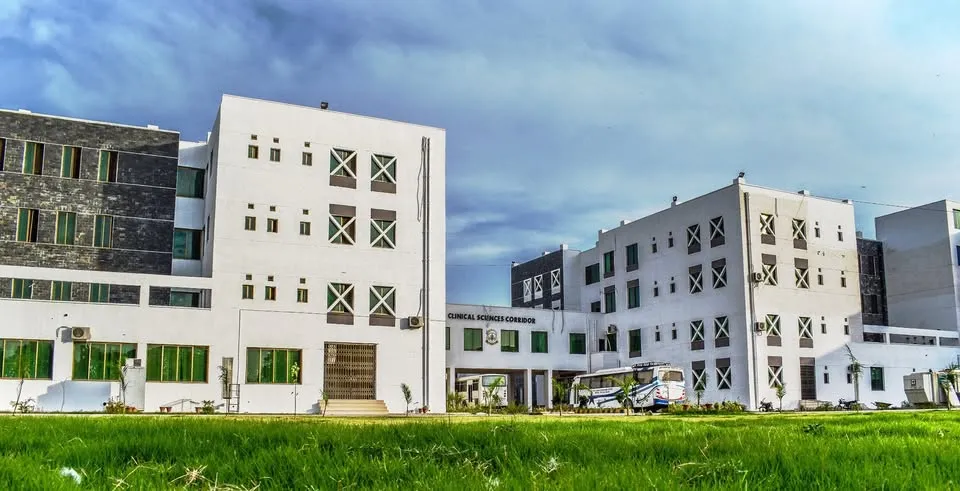

KMSMC Sialkot Introduction
Khawaja Muhammad Safdar Medical College (KMSMC) stands as a distinguished private sector medical institution established in Sialkot, Punjab, through the vision of the Khawaja Muhammad Safdar Memorial Trust.
This philanthropic organization, named in honor of a prominent local figure, founded the college with a mission to contribute to the national pool of healthcare professionals by providing quality medical education grounded in ethical values and a commitment to serving humanity. The college's establishment reflects the charitable vision of its founding trust, bringing quality medical education to the industrious city of Sialkot while honoring the legacy of its namesake.
Students exploring quality medical education opportunities in the city of sports will find KMSMC's trust-based foundation particularly compelling for their professional aspirations.
Institutional Foundation and Philanthropic Mission
Khawaja Safdar Medical College Sialkot emerged from recognition that Sialkot, despite its industrial prominence and contributions to Pakistan's economy, needed enhanced medical education infrastructure to serve its population and surrounding regions.
The Khawaja Muhammad Safdar Memorial Trust, drawing on philanthropic resources and community support, established the college to address this gap while honoring a local leader's legacy. This trust-based origin ensures institutional focus remains on educational quality and community service rather than commercial considerations, aligning college operations with charitable purpose.
Those researching private medical colleges with philanthropic mission in punjab will appreciate how KMSMC's founding principles shape its educational approach.
Ethical Values and Service Commitment
The college's mission emphasizes not merely producing technically competent doctors but developing physicians grounded in ethical values who view medicine as service to humanity. This philosophical foundation permeates curriculum design, faculty interactions, and student development activities, ensuring graduates emerge with both clinical skills and moral grounding essential for trustworthy medical practice.
University Affiliation and Accredited Program
Khawaja Safdar Medical College Sialkot is affiliated with the University of Health Sciences (UHS) in Lahore, the leading public-sector medical university in Punjab, ensuring its curriculum, examinations, and academic standards align with rigorous provincial benchmarks.
Its five-year Bachelor of Medicine, Bachelor of Surgery (MBBS) program is fully recognized and accredited by the Pakistan Medical Commission (PMC), providing students assurance that their education meets requirements for professional practice upon graduation. Students interested in uhs affiliated medical colleges in punjab will find KMSMC's UHS connection particularly valuable for degree recognition and quality assurance.
Integrated Modular Curriculum
The college follows the integrated modular curriculum and assessment system prescribed by UHS, ensuring alignment with national standards and rigorous preparation for professional practice and licensing examinations.
This integrated approach helps students understand connections between foundational sciences and clinical applications, building knowledge systematically while emphasizing relevance to patient care. The curriculum prepares students for success in UHS examinations and subsequent licensing requirements.
Clinical Training at On-Site Teaching Hospital
The primary clinical training facility for KMSMC students is the attached Khawaja Safdar Medical College Sialkot Teaching Hospital, a modern, multi-specialty hospital established on the same campus.
This on-site integration represents a significant advantage, allowing students to gain continuous, supervised, hands-on clinical experience without the logistical challenges of traveling between separate college and hospital facilities. Students exploring clinical training at modern teaching hospital in sialkot will recognize how this arrangement enhances educational continuity.
Advanced Diagnostic and Therapeutic Services
The teaching hospital is equipped with advanced diagnostic and therapeutic services and serves a substantial patient population, ensuring students encounter diverse medical conditions across all major specialties. This comprehensive service capacity provides exposure to both common and complex cases, building diagnostic acumen through direct patient care involvement under faculty supervision.
Core Department Rotations
Students gain clinical experience in core departments including Internal Medicine, General Surgery, Pediatrics, and Obstetrics & Gynecology, rotating through these services progressively as they advance through the program.
These rotations provide structured learning experiences where students observe, assist, and gradually assume patient care responsibilities as competence develops, building confidence through supervised practice.
Faculty and Educational Methodology
Khawaja Safdar Medical College Sialkot employs a combination of full-time faculty members in basic medical sciences and a large panel of visiting faculty and consultants who are practicing specialists at the KMSMC Teaching Hospital and other reputable hospitals in the Sialkot region.
This faculty composition ensures students learn from educators dedicated to teaching while also benefiting from practitioners actively engaged in patient care who bring current clinical experience to the classroom and bedside.
Diverse Teaching Approaches
The educational approach blends traditional lectures with interactive learning methodologies including problem-based learning (PBL) scenarios, clinical skill demonstrations, and early clinical exposure to cultivate critical thinking and practical competence.
PBL sessions help students learn to analyze clinical scenarios, identify learning needs, and apply knowledge to patient problems—skills central to clinical reasoning. Students interested in the medical college admission process nationwide will find KMSMC's diverse educational methodology prepares graduates for varied practice contexts.
Early Clinical Exposure
Introducing clinical exposure early in the curriculum helps students understand the relevance of basic sciences to patient care while developing comfort with clinical environments and patient interactions. This early exposure builds clinical confidence progressively, ensuring graduates enter house jobs with substantial experience uncommon among fresh graduates.
Campus and Learning Resources
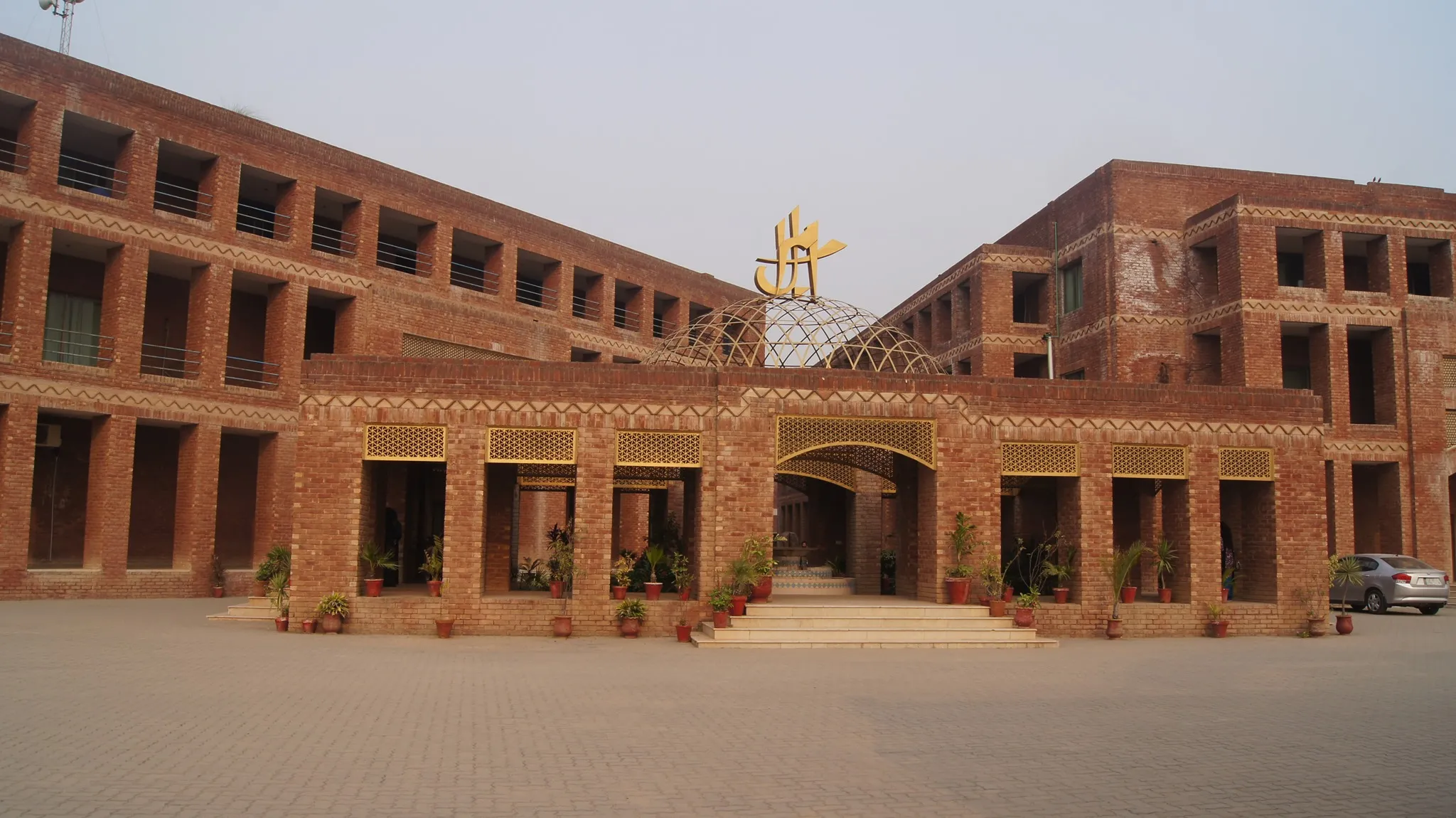
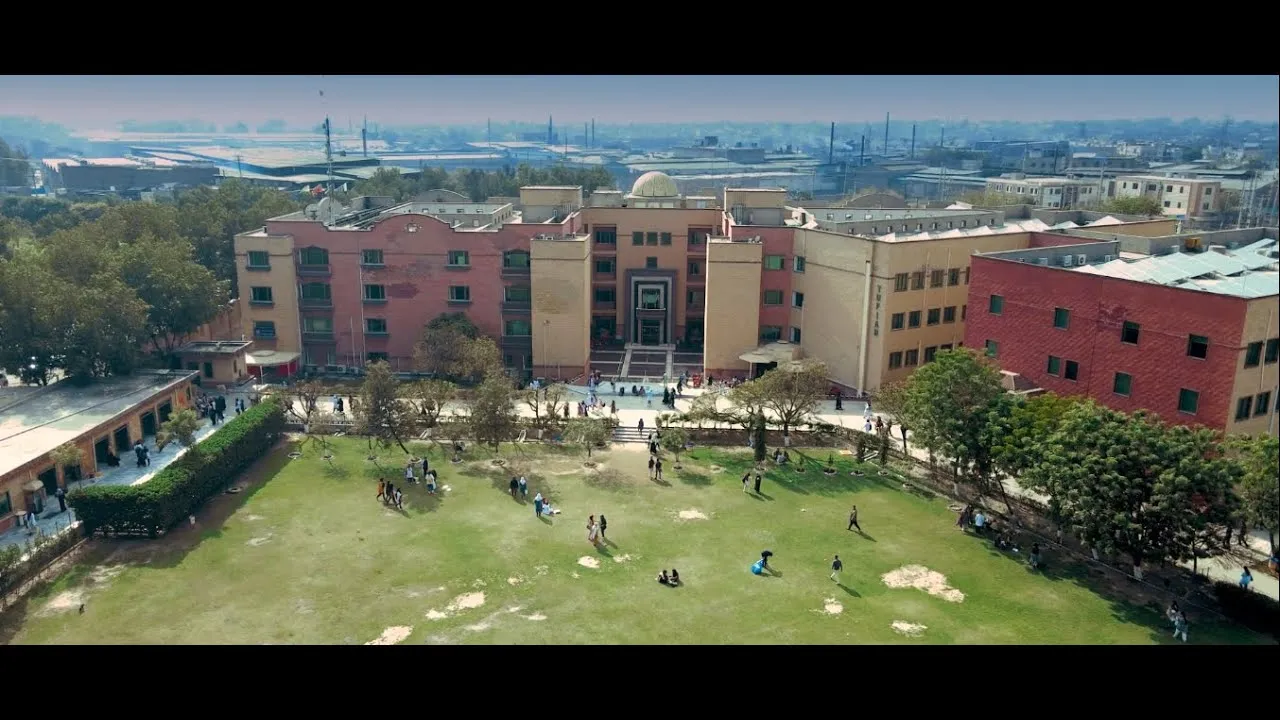
The Khawaja Safdar Medical College campus in Sialkot is purpose-built with modern academic infrastructure designed to support comprehensive medical education. Digital lecture theaters equipped with contemporary teaching technology enable effective large-group instruction, while air-conditioned laboratories for disciplines including Anatomy, Physiology, and Biochemistry provide environments for hands-on scientific exploration.
A well-equipped dissection hall supports anatomy learning through direct observation, and a clinical skills laboratory with simulation models allows students to practice examination techniques and procedures before patient contact.
Library and Information Resources
A central library with physical and online resources supports academic needs across all program years. Access to current medical textbooks, reference materials, and digital journals helps students develop skills in finding and evaluating information—abilities essential for evidence-based practice and lifelong learning.
The library serves as both quiet study space and resource center for research activities.
Residential Accommodations
The college provides separate, secure hostel accommodations for male and female students, fostering a conducive residential learning environment where students can immerse themselves in studies while building supportive peer relationships.
These residential facilities reduce logistical concerns and allow students to focus entirely on their demanding medical education while developing networks that support professional growth.
Student Development and Co-curricular Activities
Student development at Khawaja Safdar Medical College is emphasized through a holistic approach recognizing that medical education must develop the whole person, not merely transmit technical knowledge.
The college encourages participation in academic clubs, scientific societies, sports, and cultural events, providing opportunities for students to pursue interests beyond formal curriculum.
Skills Development Beyond Curriculum
Seminars, workshops, and guest lectures supplement the formal curriculum, exposing students to diverse perspectives and emerging topics in medicine. Engagement in these activities and in community health initiatives helps students build essential soft skills including leadership, communication, teamwork, and social responsibility—qualities increasingly recognized as essential for effective medical practice. Students exploring international students funding worldwide may find these co-curricular experiences valuable for developing well-rounded profiles sought by international programs.
Professional Network Building
Through participation in academic events, scientific societies, and community activities, students build professional networks with peers, faculty, and visiting practitioners that support career development long after graduation. These connections often lead to mentorship relationships, research collaborations, and career opportunities.
Community Engagement and Institutional Role
True to its trust-based origins, Khawaja Safdar Medical College Sialkot maintains a strong focus on community service and public health outreach that extends its impact beyond campus boundaries. Students and faculty regularly participate in free medical camps, health screening drives, and awareness programs in surrounding urban and rural areas, bringing healthcare services to underserved populations while learning about community health challenges firsthand.
Service Ethic Instillation
This commitment to community service instills a service ethic in future doctors, helping them maintain connection with medicine's humanitarian mission throughout their careers. Students learn that medical practice involves not only treating individual patients but also engaging with communities to promote health and prevent disease. Students interested in community medical education in punjab will appreciate how KMSMC's outreach programs complement classroom learning.
Local Healthcare Enhancement
By establishing a quality teaching hospital and medical college, KMSMC contributes significantly to enhancing local healthcare infrastructure in Sialkot and surrounding areas.
The teaching hospital serves community healthcare needs while training future physicians, and graduates who practice locally further strengthen regional healthcare capacity. This virtuous cycle ensures the institution's impact extends far beyond its educational mission to directly improve community health outcomes.
Why Choose Khawaja Safdar Medical College
Prospective medical students evaluating options in Punjab will find compelling reasons to consider KMSMC for their education.
The combination of trust-based philanthropic mission ensuring focus on educational quality and service, UHS affiliation guaranteeing curriculum standards, PMC recognition validating program quality, on-site teaching hospital providing integrated clinical training, qualified faculty combining full-time and visiting specialists, modern campus facilities including digital lecture theaters and hostels, comprehensive student development programs, and strong community engagement focus creates an ideal environment for medical education.
Alignment with Professional Goals
For students committed to medical careers combining clinical excellence with ethical practice and community service, KMSMC's trust-based mission provides philosophical alignment essential for sustained professional motivation. The college's emphasis on producing physicians grounded in ethical values who view medicine as service to humanity resonates with those aspiring to practice with integrity and compassion.
Career Pathways and Regional Impact
Graduates of Khawaja Safdar Medical College emerge prepared for diverse career pathways including clinical practice in public and private sectors, postgraduate specialisation through CPSP fellowships, medical education, research, and public health service.
The college's location in Sialkot positions graduates to contribute to healthcare development in one of Punjab's most industrious cities while many also practice elsewhere, spreading the institution's impact nationwide.
Contribution to Healthcare Development
KMSMC fulfills its mission through graduates who serve communities across Pakistan, addressing healthcare needs while exemplifying the ethical values and service commitment instilled during training. Many alumni practice in Sialkot and surrounding areas, directly strengthening regional healthcare capacity while serving as role models for future students.
Students exploring fully funded opportunities across european nations may pursue international training, with many returning to apply global learning in Pakistani practice.
Conclusion
Khawaja Safdar Medical College Sialkot represents quality private sector medical education delivery grounded in philanthropic mission, combining UHS affiliation, PMC recognition, on-site teaching hospital, qualified faculty, modern campus facilities, comprehensive student development, and strong community engagement.
Through its commitment to producing competent physicians grounded in ethical values and service orientation, the institution prepares graduates for meaningful careers addressing healthcare needs across Pakistan while honoring the charitable vision of its founding trust.
For students seeking medical education that develops both clinical excellence and moral character within a community-focused framework, KMSMC offers an environment where academic rigor, practical training, and service ethic converge in preparation for serving humanity through medicine.
KMSMC MBBS Fee Structure
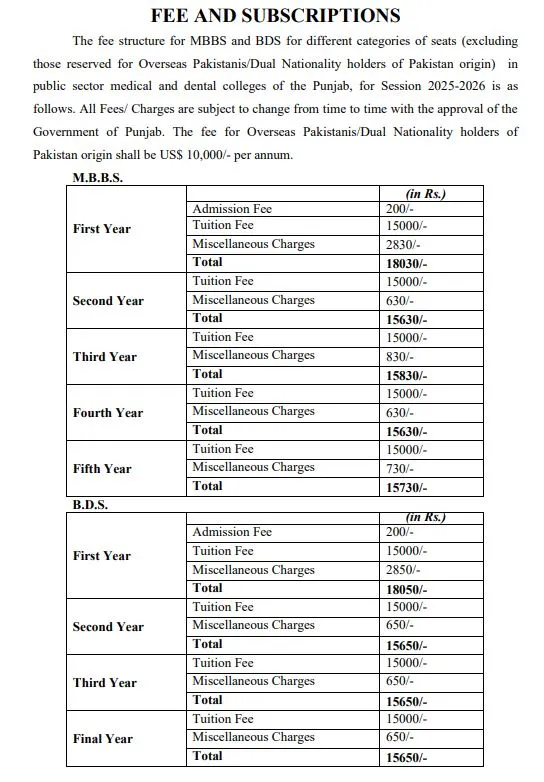
Note: The Pakistan Medical and Dental Council (PM&DC) has issued an official tuition fee alert for medical and dental colleges following recommendations by the Medical Education Committee constituted by the Prime Minister of Pakistan. For the academic session 2024–25, the tuition fee, including all ancillary charges, has been capped at PKR 1.8 million and will remain unchanged. For the 2025–26 session, a 5% increase has been approved, fixing the fee at PKR 1.89 million. Students and parents are advised not to pay fees beyond these limits, and any violations can be reported through the PM&DC complaint portal.